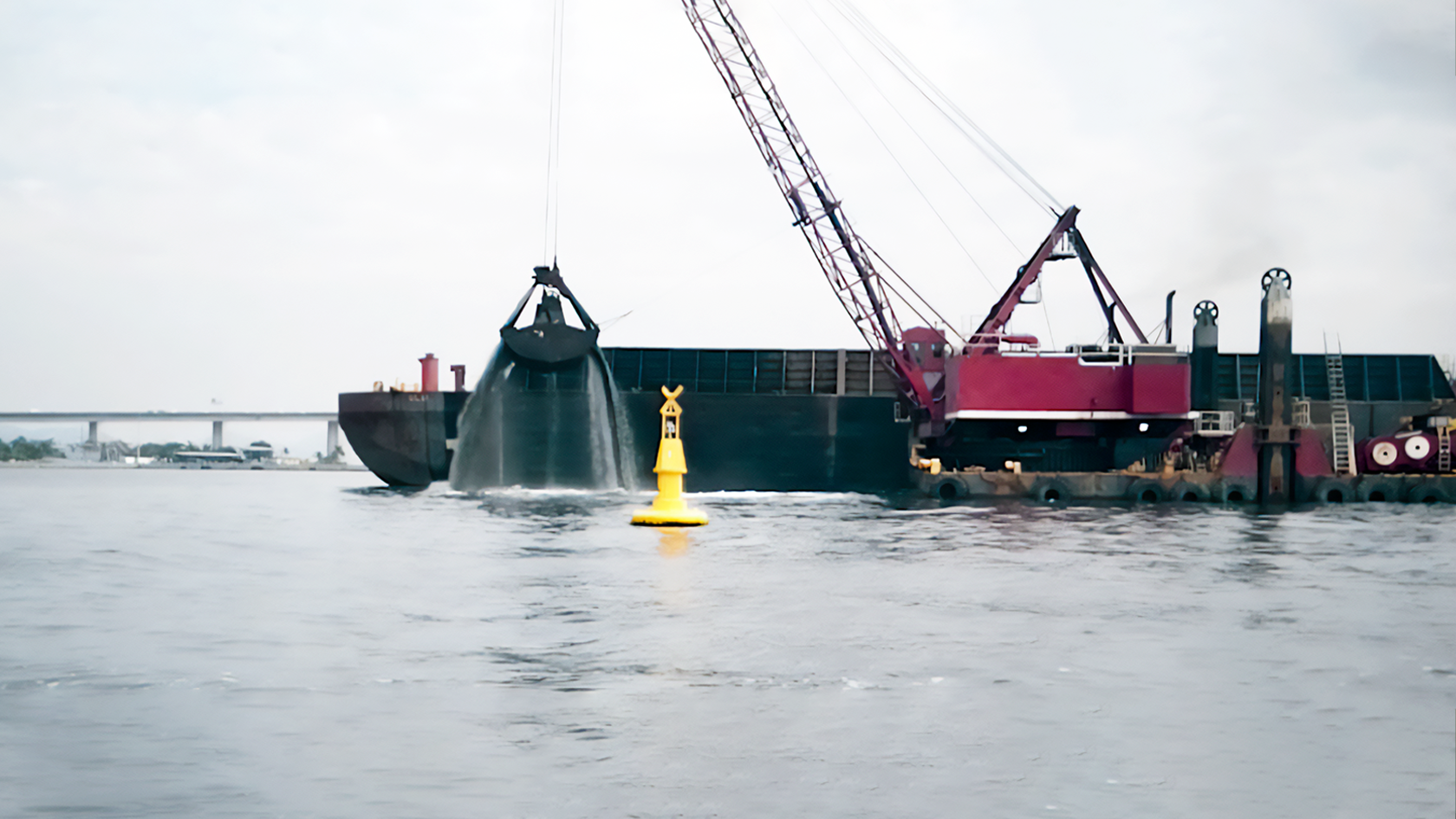
A dredging operation can be particularly challenging if it involves a large volume of sediment, contaminated material, or even old shipwrecks. This was precisely the case in a project carried out in Guanabara Bay, Rio de Janeiro.In this article, we will explain how NewFields Brasil's involvement helped enable the execution of activities with zero environmental incidents, in addition to generating savings of R$ 20 million in the project's total value.
The Context
An oil and gas company needed to perform dredging in the access channel to its facilities. The objective was to enable the circulation of larger vessels and facilitate the logistics of ships providing services in the area.However, this was not a simple scenario: the presence of mercury in some of the sediments posed a high risk of contamination. Furthermore, a shipwreck at the bottom of the bay increased the project's complexity.NewFields Brasil joined the project to support the development of the technical scope and supervise its execution.
Strategy: Continuous Monitoring for Risk Mitigation
Given the project's criticality, meticulous monitoring of activities was paramount to ensure worker safety and compliance with environmental legislation. Therefore, continuous monitoring was carried out throughout the project, including daily operational oversight, quantitative analysis of dredged volume, and analysis of geographical and environmental data.This allowed technical analysis to support decision-making, ensuring it was 100% data-driven.Throughout the process, care was also taken to maintain a transparent relationship with the client and the community, as well as with INEA, IPHAN, and the Navy.Finally, after the area's decontamination, preventive dredging continues to be performed every 2 or 3 years with strict managerial control to mitigate environmental, operational, and financial risks.
Outstanding Results with R$ 20 Million in Savings
In total, 200,000 m³ of uncontaminated material were removed, in addition to the removal and proper disposal of 100% (56,000 m³) of the contaminated sediments. All regulatory requirements and environmental license conditions were fully met.The supervision work and engineering protocols also resulted in a cost reduction of R$ 20 million by identifying inconsistencies in the claim of one of the suppliers, who alleged to have removed a volume of sediment greater than the actual amount.In summary: the project was successfully completed without exceeding the planned budget. The mitigation and prevention of environmental and operational risks led to a result with zero environmental incidents or community complaints.If your organization faces a highly complex environmental challenge, NewFields Brasil can assist your team in intelligently managing the project. Contact us!