How to remediate a contaminated area in a complex geological environment using efficient techniques without causing further environmental damage? In this case study, we will describe how the NewFields Brazil team conducted the remediation of an environmental liability through Phytoremediation in a multifaceted context, relying on a robust technical and scientific foundation to identify the best solution for managing the area. It is important to note that due to project confidentiality, some specific details of the case will not be described.
Problem Context
The area of interest is a site where agricultural pesticides were produced decades ago, which, by contaminating the soil and groundwater, ultimately created a significant environmental liability. The investigated land was located near a river, which presented difficulties, particularly in applying hydraulic control measures for groundwater. This geological complexity required an even more careful analysis for managing the case. As investigations intensified, it was identified that the contaminants were persistent organic pollutants (POPs), which demand significant attention because, in addition to having deleterious health effects, they have a long lifespan in natural and biotic environments once they enter ecosystems. Armed with this information, the NewFields Brazil team developed a remediation strategy to overcome the challenges encountered.
Strategy: scientific study and laboratory tests
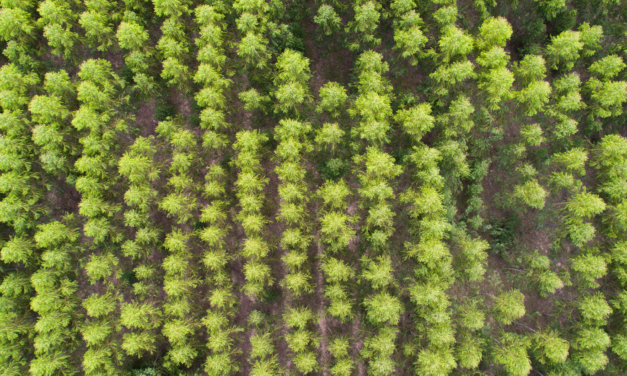
Given the context, it was recognized that phytoremediation could substantially contribute to the site's remediation. To achieve greater precision in applying the method, a preliminary scientific study was commissioned to investigate the most suitable mechanism and species for the project. This study was supported by researchers from the Federal University of Viçosa (UFV) and evaluated the effectiveness of evapotranspiration in the hydraulic control of groundwater contaminants. This research also compared the hydraulic control provided by phytoremediation, seeking to answer the following question: What is more efficient for hydraulic control: the use of native species present in the area, the introduction of eucalyptus, or the control achieved by a traditional hydraulic barrier (which uses wells), which was already in operation in the area?
The Results
The results demonstrate that applying innovative, low-carbon footprint technologies can significantly increase the efficiency of environmental remediation projects, as well as reduce the direct operating costs of traditional pumping systems. The pioneering investigative work showed that planting trees in areas of low hydraulic conductivity proved more efficient, sometimes being up to twice as effective as active removal with pumping wells in these locations. A comparison between the efficiency of native vegetation in the area and exotic species, in this case eucalyptus, indicated that the latter was 25% more efficient than native species, and therefore more suitable for the intended purpose. Given that after planting, the crops require little to no maintenance, many expenses and inputs are reduced. Thus, phytoremediation provides cost savings and financial optimization throughout project management. This was another project where our team generated information that enabled the best decision-making, considering technical, financial, and environmental aspects. If you are looking for a team that is a reference in Environmental Intelligence, count on the NewFields Brazil team!
Also explore other application cases
• Phytoremediation potential of native plants in an area contaminated with volatile organic compounds.Click here to learn more about the case. (Note: due to its relevance, this case became a scientific article published in the International Journal of Phytoremediation. Access the original material here .)• Application of Phytoremediation in an area contaminated by organic solvents. Click here to learn more about the case.Want to know if Phytoremediation is applicable to your project? Talk to one of our specialists.