How to manage and remediate a former industrial area contaminated by organic solvents in the most effective, economical, and environmentally beneficial way? In this case study, we will explain how our team applied Phytoremediation as the most suitable and synergistic technique for managing the contaminated area. The proposed solution was developed based on environmental and financial analyses of the case, and you can find more details below. Some project information will not be disclosed due to the confidentiality of the case.
Problem Context
NewFields Brasil was approached by an agrochemical company to remediate an area affected by organic solvents. According to the data collected, the contamination originated from the disposal of industrial equipment and waste that infiltrated the soil and eventually reached the groundwater. During the investigation, the study area was subdivided based on criteria such as land use type, characteristics of contamination sources, and impact on potential receptors. The site included vegetated areas, paved areas, active and inactive industrial zones, as well as water bodies and urban developments in the vicinity. Therefore, the situation required a thorough analysis of the risks to which different receptors (human or ecological) would be exposed.
NewFields Brasil's Approach to the Case
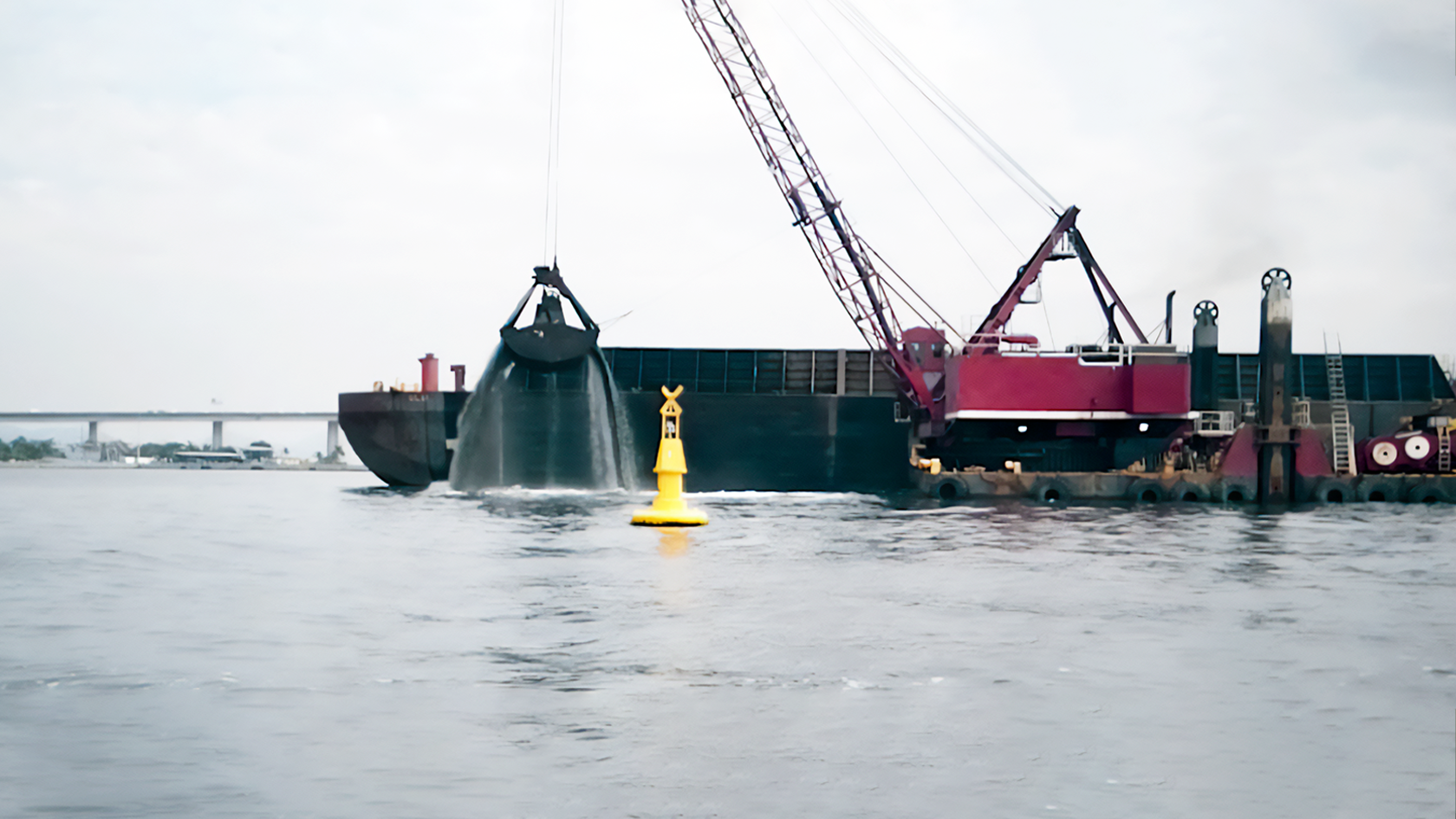
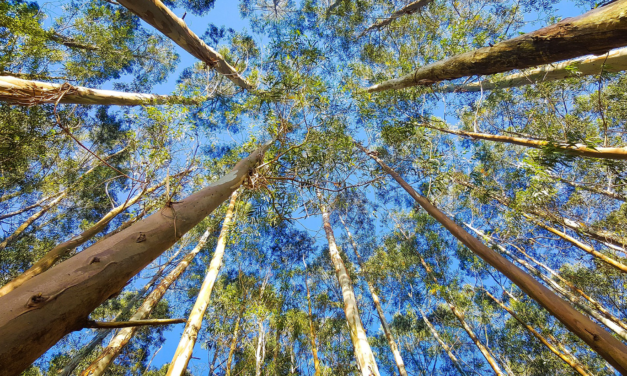
In this project, various actions were taken to manage the identified environmental liability and mitigate all risks for the different scenarios. Initially, excavation and removal of contaminated waste and materials were carried out to contain the existing contamination process. Subsequently, groundwater remediation was performed through chemical oxidation in situ to reduce the mass of contaminants present in the subsurface, safeguard identified receptors, and prevent new contamination. Finally, aiming for a long-term and sustainable solution, the Phytoremediation technique was applied. In this phase, NewFields Brasil conducted a study to define the ideal methodology and species type to treat the involved contaminants. Subsequently, eucalyptus (Eucalyptus urograndis) crops were planted in specific areas, with the objective of reducing the flow of contaminated water towards surface waters and removing or eliminating part of the dissolved contaminants through rhizodegradation and phytovolatilization. Throughout the entire area management process, a solid and transparent relationship was built with the responsible environmental agency.
The Results
By implementing the planned activities, the results have been very promising. In the area where intervention measures for groundwater remediation were applied, no additional actions were requested by the environmental agency, which corroborates the effectiveness of the executed plan. The collection of surface water and groundwater samples indicates that surface water bodies have not experienced changes in quality for the analyzed parameters, and groundwater shows reductions in the concentrations of the investigated compounds. The eucalyptus trees are already large and do not show adverse responses to their environment. In addition to the positive impact on problem resolution, it is estimated that the phytoremediation technique combined with long-term monitoring has reduced operational costs by almost 50%. These results were only possible because our team conducted a meticulous data analysis, customizing the service to meet the demand in the most appropriate way possible. For choosing strategies that consider the environmental safety of all involved parties and selecting the best techniques applicable to your area, rely on the NewFields Brasil team!
Also discover other application case studies
• Phytoremediation potential of native plants in an area contaminated with volatile organic compounds.Click here to learn more about the case. (Note: due to its relevance, this case study became a scientific article published in the International Journal of Phytoremediation. Access the original material here .)• Application of Phytoremediation as a hydraulic control tool in an area contaminated by agrochemicals.Click here to learn more about the case. Want to know if Phytoremediation is applicable to your project? Talk to one of our specialists.